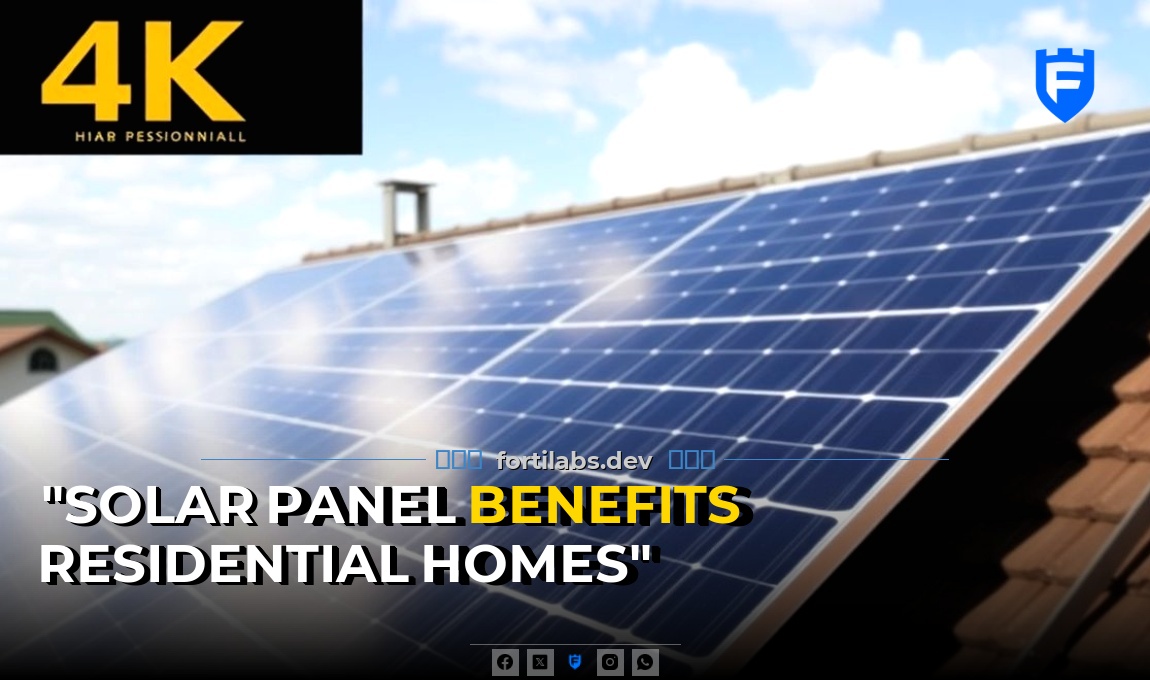
Don’t believe the myth that solar panels are only for eco-warriors or those with endless budgets. I used to think the same until I made some costly mistakes. Now, I’m here to tell you that solar panels can be a smart, money-saving move for any residential home, and I’ll show you how.
You Don’t Need a Mansion to Go Solar
I used to think that only large homes with expansive roofs could benefit from solar panels. Boy, was I wrong. You don’t need a mansion to make solar work for you. In fact, smaller homes can often see a quicker return on investment because they typically use less energy.
Here’s what you need to consider:
- Roof Size: Even a small roof can support a solar panel system. It’s not about the size, but the efficiency and placement.
- Energy Needs: Assess your current energy consumption. The lower your usage, the smaller the system you’ll need.
- Local Climate: Solar panels work in various climates, not just sunny ones. Even cloudy days can generate power.
Common Mistake: Ignoring Your Energy Usage
One of the biggest mistakes I made wasn’t carefully analyzing my energy usage before installing solar panels. I assumed that more panels were always better, but that’s not necessarily true. If you don’t match your system to your energy needs, you could end up with an overpowered (and expensive) system or one that doesn’t meet your needs.
To avoid this, track your energy usage for a few months. Most utility companies provide this data online. Use this information to size your solar panel system accurately.
Solar Panels Can Save You Money
I thought installing solar panels would be a huge upfront cost with no immediate benefits. While it’s true that there’s an initial investment, the long-term savings can be big. Here’s how:
- Lower Electric Bills: Once your solar panels are installed, you’ll generate your own electricity, reducing your reliance on the grid and lowering your bills.
- Net Metering: In many areas, you can sell excess energy back to the grid. This means your meter can actually spin backward, further reducing your costs.
- Tax Incentives: Many governments offer tax credits or rebates for installing solar panels. In the U.S., for example, the federal solar tax credit allows you to deduct 26% of the cost of installing a solar energy system from your federal taxes.
- Increased Home Value: Homes with solar panels often sell for more than those without. It’s a selling point that can attract buyers who want to save on energy costs.
Common Mistake: Not Researching Incentives
Another costly mistake I made wasn’t thoroughly researching the available incentives. I missed out on significant savings because I didn’t take the time to look into local, state, and federal programs. Don’t make the same error. Check with your local government, utility company, and the Database of State Incentives for Renewables & Efficiency (DSIRE) to find out what incentives are available in your area.
Solar Panels Are Low Maintenance
I used to worry that solar panels would require a lot of upkeep. I imagined having to clean them constantly and perform frequent maintenance. However, solar panels are surprisingly low maintenance. Here’s why:
- Durability: Solar panels are designed to withstand various weather conditions, from heavy rain to high winds.
- Minimal Cleaning: Rain typically keeps your panels clean. If you live in a particularly dusty area, you might need to clean them a couple of times a year, but that’s about it.
- Long Lifespan: Most solar panels come with a 25-year warranty, and many last even longer. This means you won’t have to worry about replacing them anytime soon.
Common Mistake: Assuming You Need to Clean Panels Frequently
One of the biggest misconceptions I had was that solar panels required frequent cleaning. I thought I’d have to wash them every month to keep them working efficiently. However, this isn’t the case. In most environments, rain will keep your panels clean enough. If you notice a significant buildup of dirt or debris, a quick rinse with a hose should do the trick. Don’t waste time and money on unnecessary maintenance.
You Can Start Small and Expand Later
I thought that going solar meant I had to install a full system all at once. This seemed overwhelming and expensive. What I didn’t realize is that you can start small and expand your system over time. Here’s how:
- Modular Systems: Many solar panel systems are modular, meaning you can add more panels as your energy needs grow or as your budget allows.
- Battery Storage: You can start with a basic solar panel system and add battery storage later to store excess energy for use at night or during power outages.
- Gradual Investment: Starting small allows you to spread out the cost over time, making the transition to solar more affordable.
Common Mistake: Trying to Do It All at Once
The biggest mistake I made was trying to install a complete solar panel system all at once. This led to a higher upfront cost and a more complex installation process. Instead, start with a smaller system that meets your basic needs and expand as you go. This approach is more manageable financially and logistically.
Don’t let misconceptions hold you back from enjoying the benefits of solar panels. Whether you’re looking to save money, increase your home’s value, or reduce your environmental impact, solar panels can be a smart choice for any residential home. Take it from someone who’s been there – do your research, start small, and enjoy the long-term benefits of going solar.