Don’t believe the hype: smart door locks aren’t always safer than traditional locks. I learned this the hard way when I fell victim to a home invasion despite having a top-of-the-line smart lock installed. It’s a common misconception that smart home devices automatically make our lives safer, but the reality is much more subtle. Let me share what I’ve learned about smart door locks, their vulnerabilities, and how you can use them more securely.
Smart Locks: Convenience vs. Security
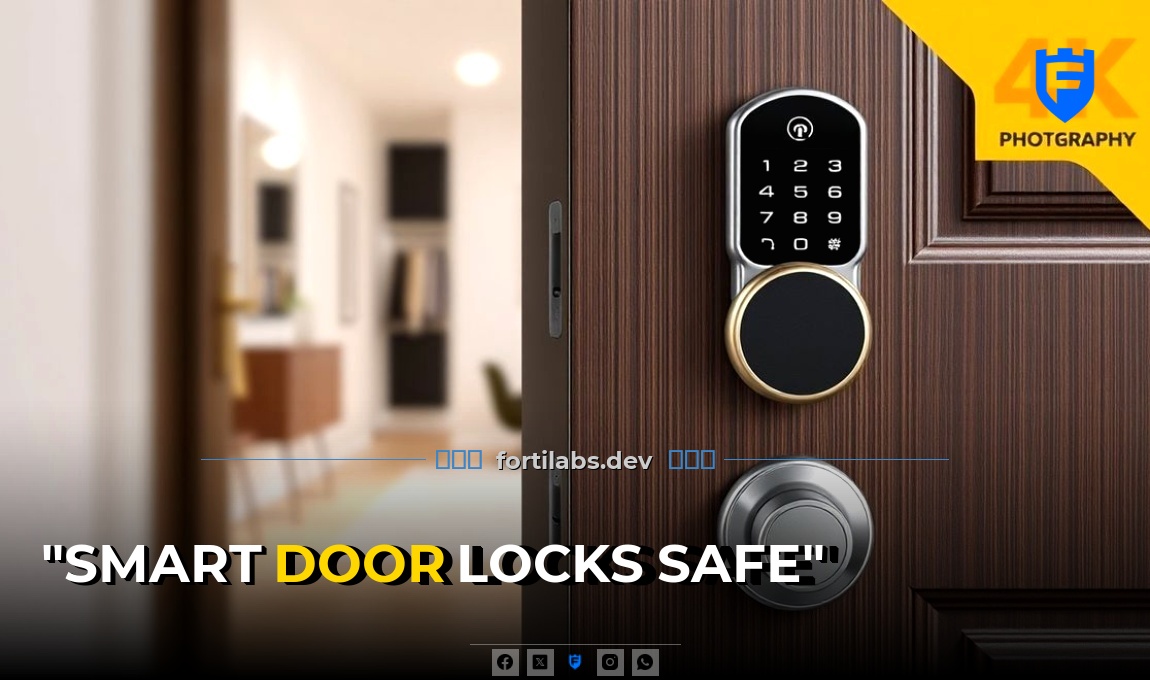
Smart door locks offer undeniable convenience. The ability to lock and open up your door remotely, grant temporary access to guests, or even use fingerprint or facial recognition for entry is attractive. But these features can also introduce new security risks that traditional locks don’t have.
I was sold on the convenience factor and assumed that a well-known brand meant top-notch security. I was wrong. The first red flag I should have noticed was the lock’s reliance on a mobile app. If your phone’s compromised, so is your lock. Hackers can exploit vulnerabilities in the app or the lock’s software to gain access. I learned this after a hacker intercepted the signal between my phone and the lock, allowing them to open up my door.
Common Security Vulnerabilities
Smart locks can be vulnerable in several ways:
- Wi-Fi and Bluetooth Hacks: If your lock connects via Wi-Fi or Bluetooth, it can be hacked through these connections. Weak passwords or outdated software can make this easier for attackers.
- Signal Interception: Some smart locks use signals that can be intercepted and replayed, allowing hackers to open up your door even if they’re not physically present.
- default Factory Settings: Many smart locks come with default factory settings that are easy to guess. Always change these settings when you install your lock.
- App Vulnerabilities: If the app that controls your lock has security flaws, your lock could be compromised. Always keep your apps updated and choose locks from reputable brands that focus on security.
My Eye-Opening Experience
I’ll never forget the day I came home to find my apartment ransacked. The smart lock I’d proudly installed just a few months earlier had been hacked. The intruder had exploited a security flaw in the lock’s software, allowing them to open up the door remotely. It was a devastating wake-up call, but it taught me a valuable lesson about the importance of security. I’d assumed that because the lock was smart, it was automatically safer than a traditional lock. I was wrong.
After the break-in, I did some serious research and realized that smart locks can be just as vulnerable, if not more so, than traditional locks. I also discovered that many of the risks can be mitigated with the right precautions. Here’s what changed my mind about smart locks and how you can use them more securely.
Key Lessons Learned
Here are some key lessons I learned the hard way:
- Not All Smart Locks Are Created Equal: Some brands focus on security more than others. Do your research and choose a lock from a reputable brand with a strong track record in security.
- Software Matters: Keep your lock’s software and any associated apps updated. Software updates often include security patches that protect against known vulnerabilities.
- Use Strong, Unique Passwords: Weak passwords are an open invitation to hackers. Use strong, unique passwords for your lock and any associated accounts.
- Enable Two-Factor Authentication: If your lock supports it, enable two-factor authentication. This adds an extra layer of security, making it harder for hackers to gain access.
- Consider a Backup Lock: Even with a smart lock, consider having a traditional backup lock installed. This can provide an extra layer of security in case your smart lock is compromised.
How to Use Smart Locks More Securely
Smart locks don’t have to be a security risk. By taking the right precautions, you can enjoy the convenience they offer while minimizing the risks. Here are some steps you can take to use smart locks more securely.
Choose the Right Lock
Not all smart locks are created equal. Some brands focus on security more than others. Do your research and choose a lock from a reputable brand with a strong track record in security. Look for locks that offer features like encryption, two-factor authentication, and regular software updates. I learned this the hard way when my initial choice turned out to be more vulnerable than I’d realized.
Keep Your Software Updated
Software updates often include security patches that protect against known vulnerabilities. Make sure to keep your lock’s software and any associated apps updated. I now set reminders to check for updates regularly, and I encourage you to do the same.
Use Strong, Unique Passwords
Weak passwords are an open invitation to hackers. Use strong, unique passwords for your lock and any associated accounts. Consider using a password manager to generate and store strong passwords. I made the mistake of using a simple, easy-to-remember password, and it cost me. Don’t make the same mistake.
Enable Two-Factor Authentication
If your lock supports it, enable two-factor authentication. This adds an extra layer of security, making it harder for hackers to gain access. Two-factor authentication requires a second form of identification, such as a fingerprint or a code sent to your phone, and to your password. I now use two-factor authentication for all my smart devices, and I recommend you do the same.
Consider a Backup Lock
Even with a smart lock, consider having a traditional backup lock installed. This can provide an extra layer of security in case your smart lock is compromised. I now have a traditional deadbolt installed alongside my smart lock, and it gives me peace of mind knowing that my home is more secure.
Final Thoughts
Smart door locks offer convenience and can be a valuable addition to your home security setup. But they’re not without risks. By understanding these risks and taking the right precautions, you can enjoy the benefits of smart locks while minimizing the risks. I learned this the hard way, and I hope my experience can help you avoid the same mistakes.
Don’t believe the hype: smart door locks aren’t automatically safer than traditional locks. But with the right precautions, they can be a secure and convenient addition to your home. Choose the right lock, keep your software updated, use strong passwords, enable two-factor authentication, and consider a backup lock. By following these steps, you can enjoy the convenience of smart locks while keeping your home secure. Stay safe!