It was a chilly Monday morning in January 2020 when I noticed something peculiar about my office. I had been feeling unusually tired and had a persistent headache. I chalked it up to the usual winter blues and long hours at work. But then, I saw my colleague, Mark, sneezing uncontrollably. That’s when it hit me: the air quality in our office was terrible. We were both reacting to the stale, polluted air. That day, I made a decision to do something about it. I started researching indoor plants that could improve air quality, and what I found was life-changing.
Why Indoor Plants Improve Air Quality
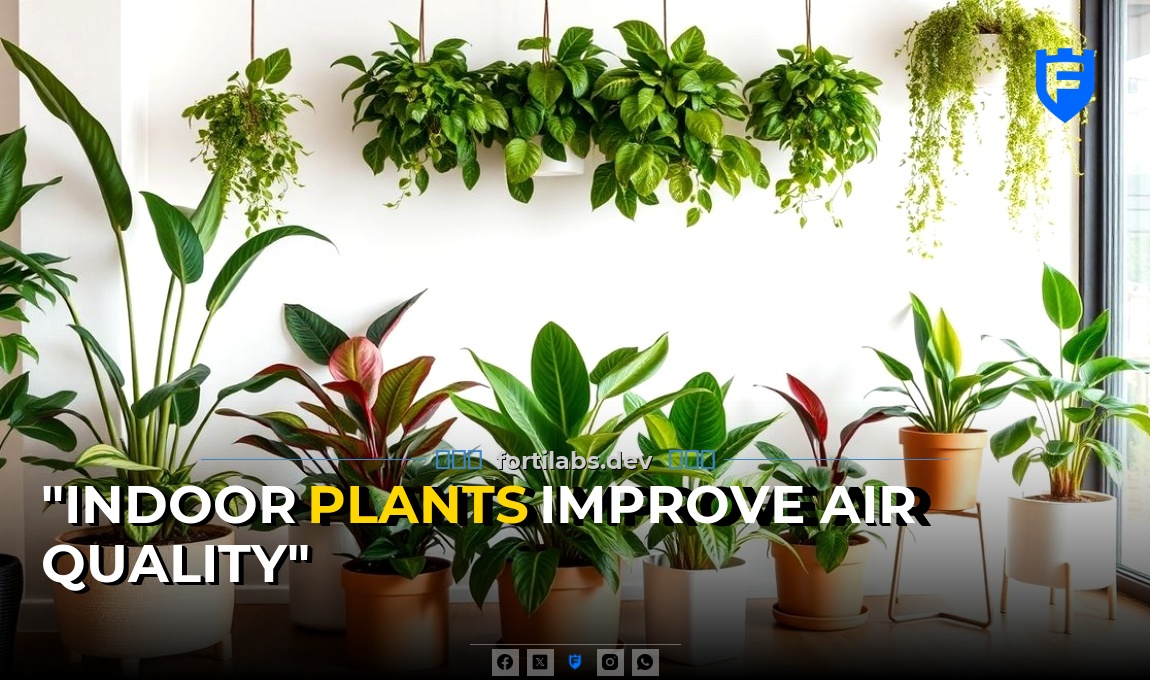
Plants are natural air purifiers. They absorb pollutants through their leaves and roots, then convert them into harmless substances. According to a study by NASA, certain indoor plants can remove toxic agents such as formaldehyde, benzene, and trichloroethylene from the air. These chemicals are commonly found in household products and can cause health issues like headaches, dizziness, and respiratory problems.
And, plants release oxygen and absorb carbon dioxide during photosynthesis. This process helps to refresh the air and make it easier to breathe. So, by bringing plants into your home or office, you’re not just adding a touch of greenery; you’re also improving the air you breathe.
The Best Indoor Plants for Air Purification
Snake Plant (Sansevieria trifasciata)
The snake plant, also known as mother-in-law’s tongue, is one of the hardest to kill plants and excellent for air purification. It’s known to remove formaldehyde, benzene, xylene, and trichloroethylene from the air. According to a study published in the Journal of Exotic Pet Medicine, the snake plant also releases oxygen at night, making it a great choice for bedrooms.
Spider Plant (Chlorophytum comosum)
The spider plant is another excellent air purifier. It’s known to remove formaldehyde and xylene from the air. NASA’s Clean Air Study found that the spider plant is one of the top plants for removing formaldehyde from the air. It’s also pet-friendly, so it’s a great choice if you’ve furry friends at home.
Peace Lily (Spathiphyllum)
The peace lily is a beautiful plant that can also help improve air quality. It’s known to remove ammonia, benzene, formaldehyde, and trichloroethylene from the air. According to a study by the University of Georgia, the peace lily can also increase humidity in the air, which can help with respiratory issues.
English Ivy (Hedera helix)
The English ivy is a versatile plant that can grow in various conditions. It’s known to remove formaldehyde, benzene, xylene, and toluene from the air. A study published in the Journal of Agricultural and Food Chemistry found that English ivy can also help reduce air-borne fecal-matter particles, making it a great choice for bathrooms.
How to Get the most from the Air Purifying Benefits of Indoor Plants
While having indoor plants can help improve air quality, there are a few things you can do to get the most from their benefits.
Choose the Right Plants for Your Space
Different plants have different air purifying capabilities. For example, if you’re looking to remove formaldehyde from the air, the spider plant is a great choice. If you want to increase humidity, the peace lily is a good option. Do your research and choose plants that suit your specific needs.
Place Plants Strategically
To get the most out of your indoor plants, place them strategically around your home or office. According to NASA’s Clean Air Study, it’s recommended to have at least one plant per 100 square feet of space. Also, consider placing plants in areas where you spend the most time, like your bedroom or home office.
Maintain Your Plants
Healthy plants are better at purifying the air. So, make sure to water and feed your plants regularly. Also, dust their leaves occasionally to ensure they can absorb pollutants effectively.
Combine with Other Air Purification Methods
While indoor plants can help improve air quality, they shouldn’t be your only line of defense. Combine them with other air purification methods like ventilation, air purifiers, and reducing the use of harmful chemicals in your home.
My Personal Journey with Indoor Plants
Since that day in January 2020, I’ve made a conscious effort to incorporate more indoor plants into my life. I started small, with a snake plant in my bedroom. Within a week, I noticed a significant improvement in my sleep quality. I felt more rested and had fewer headaches.
Encouraged by this change, I added more plants to my home office. A spider plant on my desk and an English ivy on the windowsill. My colleague, Mark, noticed the difference too. He commented on how much fresher the air felt in our office.
By the end of 2020, I had transformed my home and office into a lush, green sanctuary. I felt healthier, happier, and more productive. And it all started with a simple decision to improve the air quality around me.
Indoor plants are more than just decorative pieces. They’re powerful air purifiers that can significantly improve the quality of the air you breathe. So why not give it a try? Bring some greenery into your life and experience the difference for yourself.