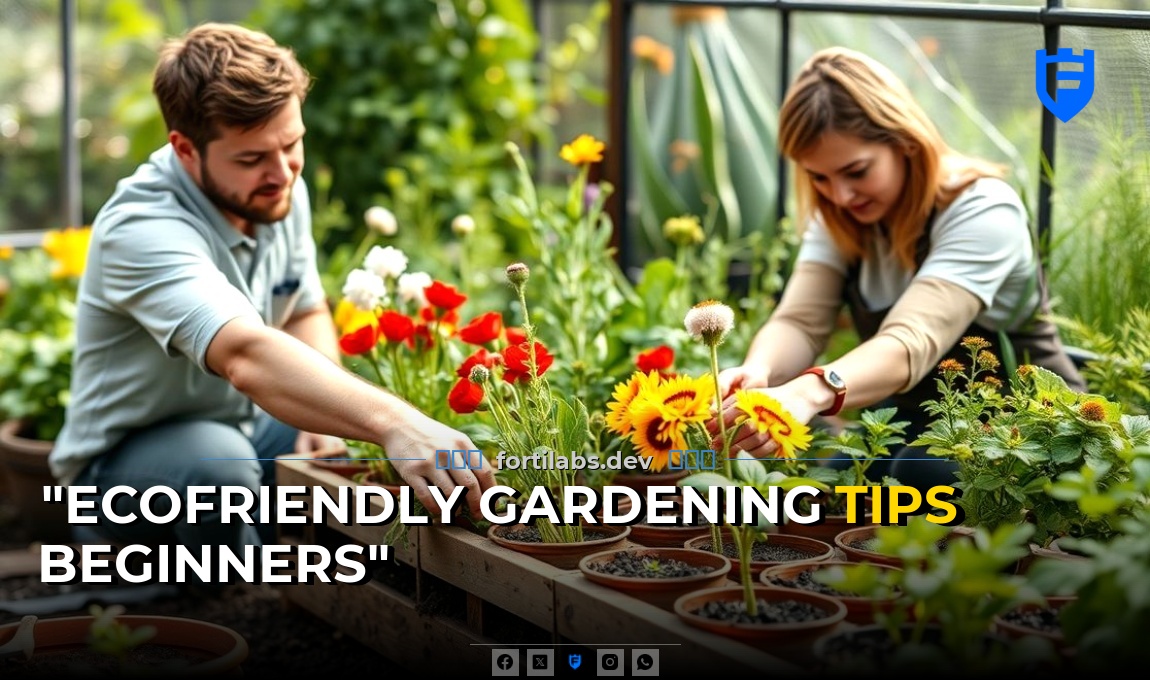
Have you ever looked at your garden and thought, “There’s got to be a better way”? I know I did. But let me tell you, my first attempts at gardening weren’t just unsuccessful—they were downright costly. I wasted money on toxic chemicals, overwatered my plants, and even ended up with a patch of dead grass that looked like a crime scene. It wasn’t until I started focusing on eco-friendly gardening that things turned around. If you’re a beginner, I’ve got some tips that’ll save you time, money, and a whole lot of frustration.
Why Go Eco-Friendly?
You might be thinking, “Why bother with eco-friendly gardening? Isn’t traditional gardening good enough?” Trust me, I asked myself the same thing. But here’s the deal: eco-friendly gardening isn’t just about being kind to the planet (though that’s a huge plus). It’s about working with nature instead of against it. When you avoid harsh chemicals and synthetic fertilizers, you create a healthier environment for your plants, your soil, and even yourself. Plus, it’s way easier on your wallet in the long run.
What You’ll Need to Get Started
Before diving in, let me break down the essentials you’ll need:
- Compost bin or pile – This’ll be your best friend for turning kitchen scraps and yard waste into nutrient-rich soil.
- Rain barrel – Collecting rainwater is an easy way to conserve water and give your plants a natural drink.
- Native plants – These are already adapted to your climate, so they’ll thrive with less effort on your part.
- Mulch – Helps retain moisture, suppresses weeds, and keeps your soil healthy.
- Hand trowel and gloves – Basic tools to get you started without breaking the bank.
Step-by-Step: My Eco-Friendly Gardening Process
Step 1: Build Your Soil
Healthy soil is the foundation of a thriving garden. I used to think you just dug a hole, threw in a seed, and called it a day. Big mistake. What I learned is that soil needs love and attention, just like your plants. Here’s how I do it:
- Start composting. I keep a small bin in my kitchen for fruit and veggie scraps, coffee grounds, and eggshells. Once it’s full, I transfer it to my outdoor compost pile. In a few months, you’ll have rich, dark compost that’s perfect for your garden.
- Avoid synthetic fertilizers. They might give you quick results, but they wreck your soil in the long run. Stick to organic options like compost, worm castings, or homemade fertilizer teas.
- Test your soil. You can grab a cheap test kit at your local garden center. This’ll tell you what nutrients your soil is lacking so you can fix them naturally.
Step 2: Choose the Right Plants
This is where I made my biggest rookie mistake. I picked plants because they looked pretty in the catalog, not because they’d actually grow in my climate. Big no-no. Here’s what I do now:
- Go native. Native plants are already adapted to your area, so they’ll need less water, fewer pesticides, and less maintenance. Win-win.
- Plant perennials. These bad boys come back year after year, so you won’t have to replant them every season. Some of my favorites are coneflowers, black-eyed Susan, and hostas.
- Diversify your garden. Planting a variety of flowers, herbs, and veggies helps create a balanced ecosystem where beneficial insects can thrive.
Step 3: Water Wisely
Overwatering was my downfall. I thought more water meant healthier plants, but boy, was I wrong. Here’s how I’ve cut back without sacrificing my garden’s health:
- Use a rain barrel. I set mine up under a downspout, and it collects rainwater that I use to water my garden. It’s free, natural, and way better for my plants than tap water.
- Water deeply but less often. Instead of giving your plants a little sip every day, soak the soil thoroughly a couple of times a week. This encourages deep root growth.
- Mulch, mulch, mulch. A thick layer of mulch around your plants helps retain moisture, so you won’t have to water as often. Plus, it keeps weeds at bay.
Step 4: Keep Pests Under Control
I used to reach for the nearest pesticide at the first sign of trouble. Spoiler: that just made things worse. Here’s what I do now:
- Encourage beneficial insects. Ladybugs, lacewings, and praying mantises are natural predators of common garden pests. Plant flowers like marigolds, dill, and alyssum to attract them.
- Make homemade sprays. A simple mix of water, dish soap, and a bit of neem oil can deter pests without harming your plants or the environment.
- Handpick pests. Yep, it’s tedious, but sometimes the best way to deal with pests is to squish ‘em or drop them in soapy water. It’s weirdly satisfying.
Mistakes to Avoid
I’ve made my fair share of mistakes, and I don’t want you to repeat them. Here are a few things to steer clear of:
Don’t Overdo It on Fertilizer
Too much fertilizer, even the organic kind, can burn your plants and mess up your soil. Stick to a balanced approach—compost is usually enough to keep things healthy.
Don’t Ignore Weeds Early On
Weeds are like those uninvited guests who overstay their welcome. The longer you let them hang around, the harder they’re to get rid of. Pull them as soon as you spot them to save yourself a headache later.
Avoid Synthetic Pesticides
They might seem like a quick fix, but they kill off the good bugs along with the bad ones. Plus, they can leach into the soil and water supply, causing bigger problems down the line.
Final Thoughts
Eco-friendly gardening isn’t just a trend—it’s a smart, sustainable way to grow a beautiful, thriving garden without harming the planet. It took me a few (okay, a lot) of costly mistakes to figure it out, but now I’ve got a garden that’s healthier, happier, and way easier to maintain. So, grab your gloves, get your hands dirty, and give it a try. Your plants (and the planet) will thank you.
Happy gardening!