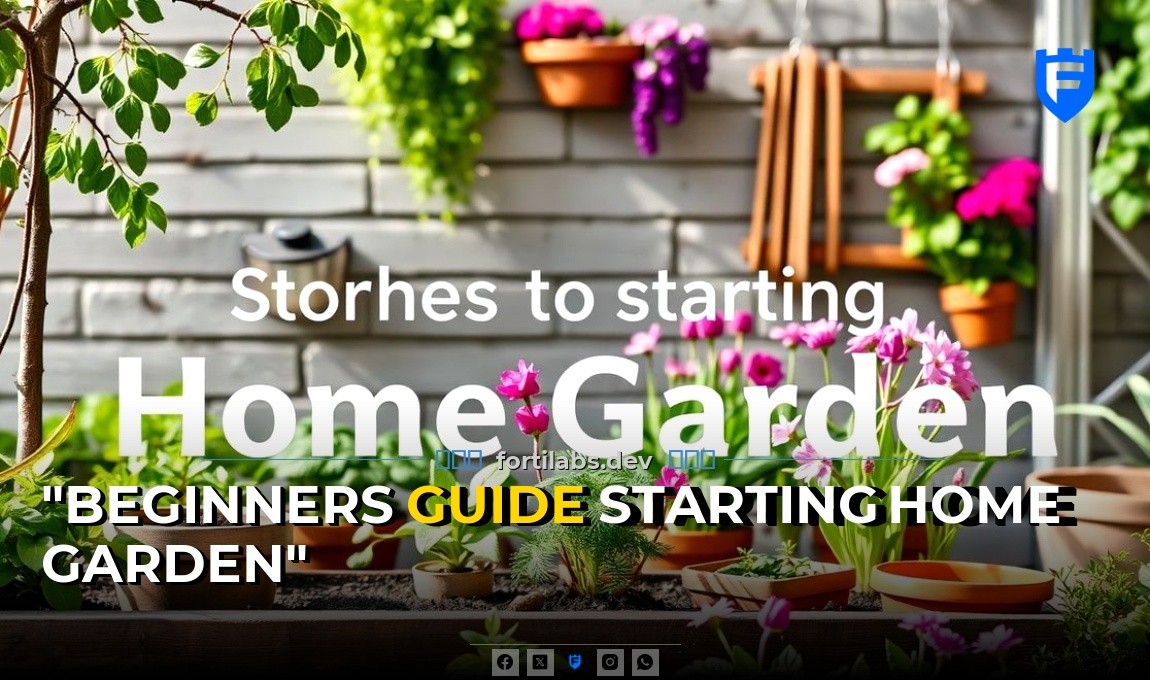
Have you ever looked at a neighbor’s thriving home garden and thought, “That looks great, but I could never do that”? I used to feel the same way. I thought gardening was too time-consuming, too complicated, and honestly, a bit intimidating. But after diving in, I realized how rewarding it can be. Now, I want to share what I’ve learned to help you start your own home garden, even if you’re a beginner.
Why Start a Home Garden?
Before I started, I wondered if the effort was worth it. Would I really save money? Would I actually enjoy it? The answers surprised me. A home garden can provide fresh, organic produce, save you money on groceries, and even reduce stress. Plus, there’s something incredibly satisfying about eating food you grew yourself.
Let me give you a specific example. Last year, I planted a small tomato garden in my backyard. I started with five tomato plants on May 1st. By July, I was harvesting about two pounds of tomatoes every week. By the end of the summer, I had saved around $150 compared to buying tomatoes at the store. And the taste? Nothing compares to a homegrown tomato straight off the vine.
Choosing the Right Plants for Beginners
When I first started, I wanted to grow everything—vegetables, herbs, flowers. Big mistake. I quickly learned that some plants are much easier for beginners than others. Here are a few of my top recommendations:
- Tomatoes: They’re resilient, productive, and rewarding. I started with cherry tomatoes because they’re less prone to disease and produce a lot of fruit.
- Lettuce: This is a great option if you want quick results. You can harvest leaf lettuce in as little as 30 days.
- Herbs: Basil, mint, and parsley are hard to kill and perfect for beginners. They also add great flavor to your meals.
- Radishes: These grow super fast—some varieties are ready to harvest in just 20-30 days. They’re also great for teaching patience and immediate gratification.
Start small and choose plants that fit your climate and available space. You don’t need a large yard—even a balcony or small patio can work.
Getting Started: Tools and Supplies
I’ll admit, I got a little overzealous when buying gardening supplies. I bought every tool I thought I might need, only to realize I barely used half of them. Here’s what you really need to get started:
- A few basic tools: A trowel, gardening gloves, and a watering can are all you need for a small garden.
- Good soil: Don’t skimp on soil quality. I learned this the hard way when my plants struggled in poor soil. Invest in high-quality potting mix or compost.
- Containers or garden beds: If you don’t have a yard, containers work just fine. I started with five-gallon buckets and a few pots before upgrading to raised beds.
- Seeds or seedlings: You can start from seeds or buy seedlings from a nursery. I found seedlings easier when I was just starting out.
You don’t need fancy equipment to get started. As you gain experience and confidence, you can expand your tool collection.
Maintaining Your Garden
This is where I struggled the most at first. I didn’t realize how much care plants need, especially in their early stages. Here are some tips to keep your garden thriving:
- Watering: Most plants need about an inch of water per week. I found that watering deeply a few times a week works better than light, frequent watering. A soaker hose or drip irrigation system can help.
- Sunlight: Make sure your plants get the right amount of sunlight. Most vegetables need at least 6-8 hours of sunlight per day. I learned this after my tomato plants didn’t produce much fruit in a shady spot.
- Weeding: Weeds compete with your plants for water, nutrients, and sunlight. Spend a few minutes each week pulling weeds to keep them under control.
- Fertilizing: Use organic fertilizer or compost to give your plants the nutrients they need. I started with a balanced fertilizer and adjusted based on what my plants needed.
Maintaining a garden doesn’t have to be a chore. It can be a relaxing and rewarding part of your routine. Plus, the more you do it, the easier it gets.
Starting a home garden was one of the best decisions I’ve made. It’s taught me patience, resilience, and the joy of growing my own food. If you’re on the fence, I encourage you to give it a try. Start small, choose easy plants, and don’t be afraid to experiment. You might just surprise yourself with what you can grow.