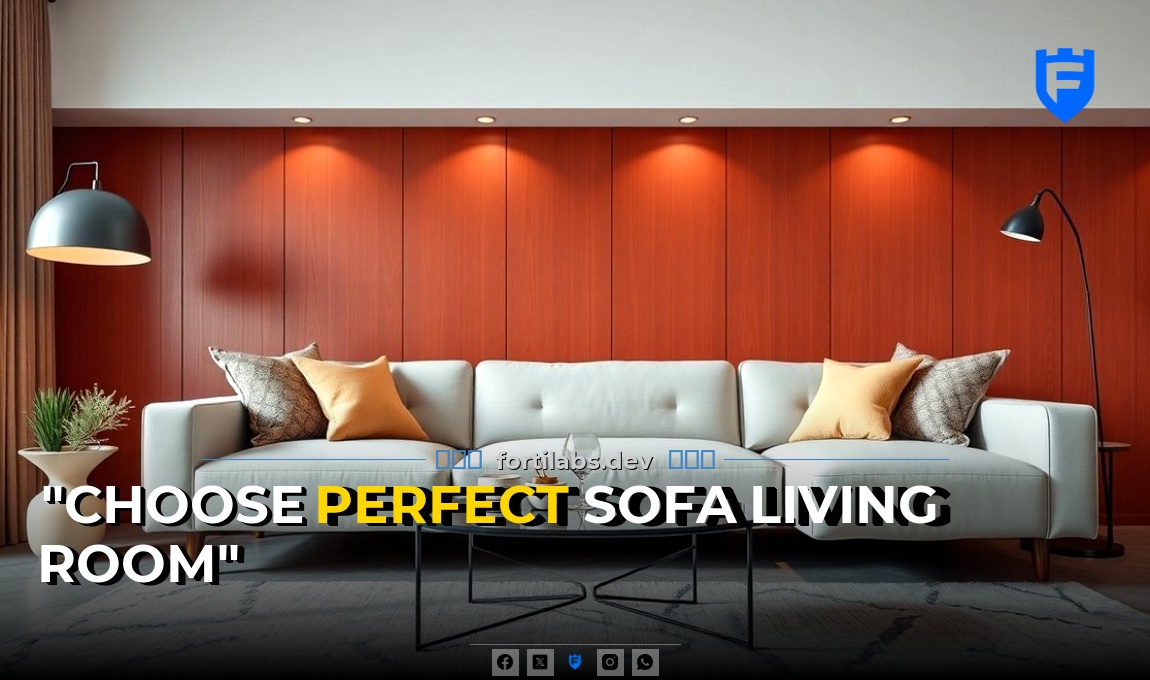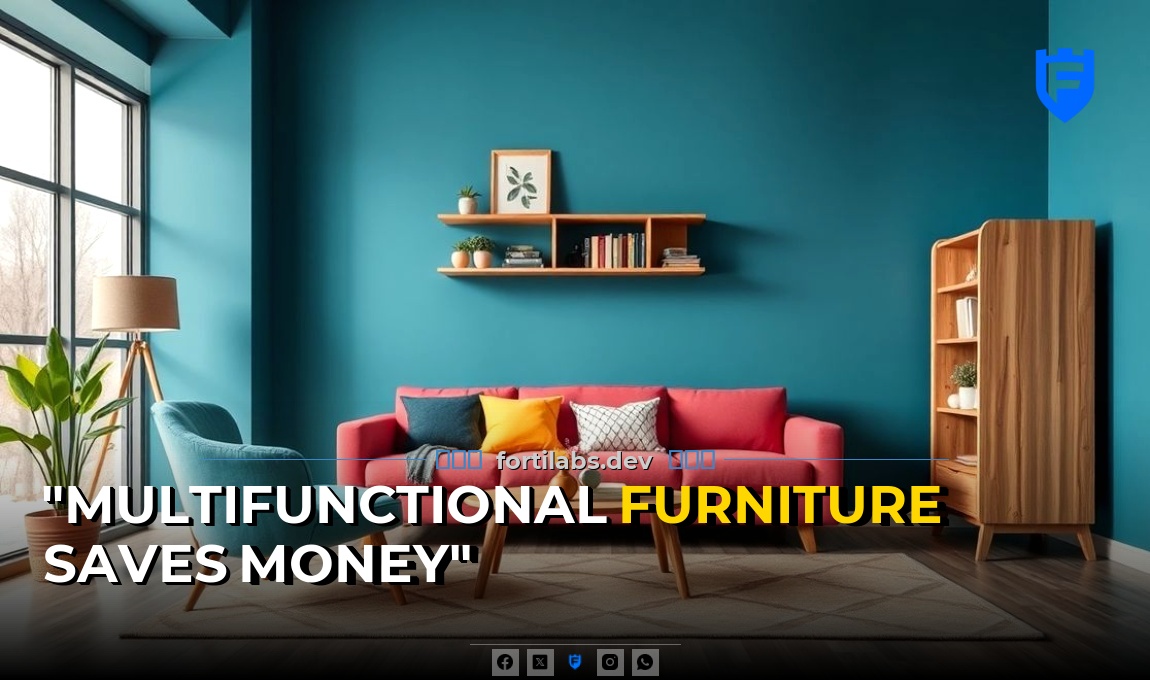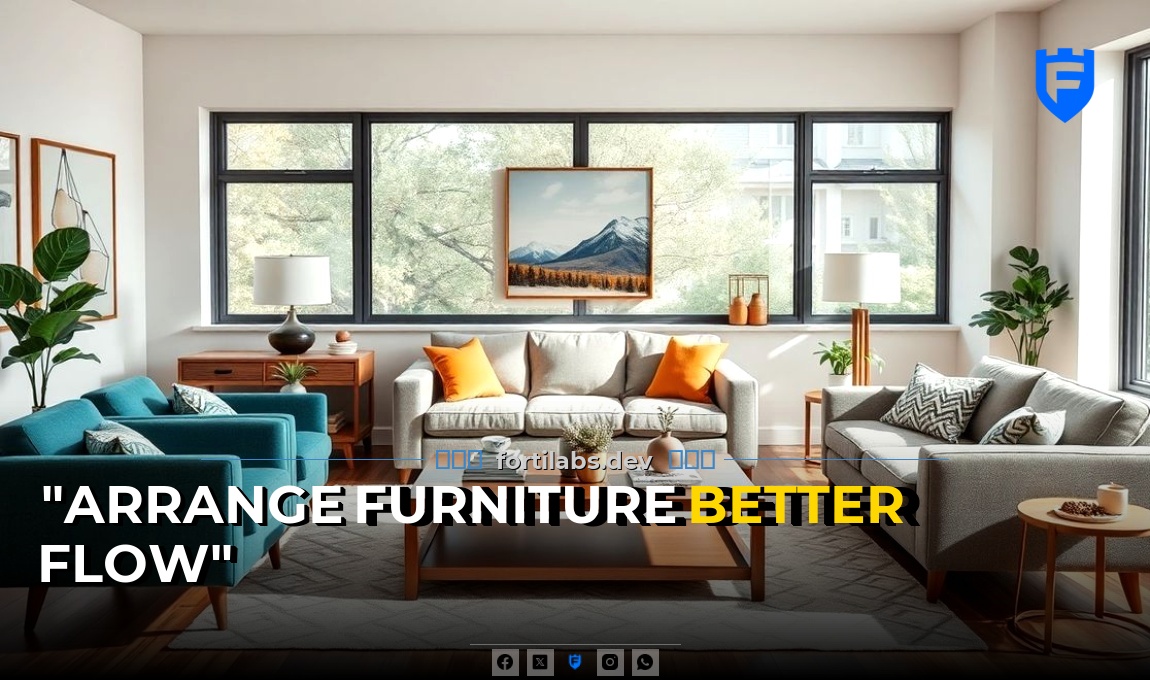
Have you ever walked into a room and felt like something was just off? The flow didn’t feel right, even though you couldn’t quite put your finger on it. Chances are, it might be your furniture arrangement. The way you arrange your furniture can greatly impact the flow and feel of your space. Let’s dive in to how you can arrange furniture for better flow.
Understanding the Basics of Furniture Flow
Before jumping into rearranging, it’s important to understand what “flow” means in interior design. Flow refers to the way people move through a space and how easily they can work through from one area to another. Good flow makes a room feel inviting and comfortable, while poor flow can make a space feel cluttered and uncomfortable.
There are two main approaches to arranging furniture for better flow: the symmetrical approach and the asymmetrical approach. Each has its own benefits and works best in different situations.
Symmetrical Approach
The symmetrical approach involves arranging furniture in a balanced, mirror-image layout. This style is often seen in formal living rooms and dining areas. It creates a sense of order and stability, making the space feel more structured and inviting.
- Pros: Creates a sense of balance and harmony, makes the room feel more formal and put-together, is easier to decorate and accessorize.
- Cons: Can feel too stiff or formal for some spaces, may not work well in rooms with irregular shapes or sizes.
This approach works best in formal living rooms, dining rooms, or any space where you want to create a sense of order and symmetry. For example, placing a sofa in the center of a room with two matching armchairs on either side creates a balanced and inviting seating area.
Asymmetrical Approach
The asymmetrical approach, but, involves arranging furniture in a more casual, unpredictable layout. This style is often seen in informal living rooms, family rooms, and home offices. It creates a sense of dynamism and spontaneity, making the space feel more relaxed and lived-in.
- Pros: Creates a sense of interest and variety, makes the room feel more casual and inviting, can work well in rooms with irregular shapes or sizes.
- Cons: Can feel too chaotic or unbalanced if not done carefully, may require more thought and planning to create a cohesive look.
This approach works best in informal living rooms, family rooms, or any space where you want to create a sense of casual comfort. For example, placing a sofa against one wall with a mix of different chairs and ottomans creates a relaxed and inviting seating area.
Assessing Your Space
Before you start moving furniture around, it’s important to assess your space. Take a look at the room’s shape, size, and any architectural features, like windows or doors. Consider the room’s purpose and how you want to use it. Do you need a cozy seating area for reading, or a more formal entertaining space?
Think about the traffic flow in the room. How do you and your family move through the space? Are there any areas that feel cluttered or awkward? Identify any problem areas and think about how you can improve them. For example, if there’s a tight spot by the door, you might want to rearrange your furniture to create a clearer path.
Measuring Your Furniture
Once you’ve a clear idea of how you want to use your space, it’s time to measure your furniture. This will help you figure out the best way to arrange it. Start by measuring the room’s dimensions, including the length, width, and height. Then, measure each piece of furniture you plan to include in the room.
Use graph paper or a design app to create a scaled layout of the room. This will help you visualize how your furniture will fit and flow in the space. Don’t forget to leave enough room for walkways and traffic flow. A good rule of thumb is to leave at least 3 feet of space between pieces of furniture.
Arranging Your Furniture
Now that you’ve assessed your space and measured your furniture, it’s time to start arranging. Here are some tips to help you create a better flow in your room.
Create Zones
If you’re working with an open floor plan, creating zones can help define different areas of the room. For example, you might create a seating zone for relaxing, a dining zone for eating, and a workspace for working. Use furniture, rugs, and lighting to spell out each zone.
When creating zones, think about the room’s traffic flow. Make sure there’s a clear path between each zone so people can move through the space easily. For example, you might place your sofa facing the TV to create a seating zone, with a clear path to the kitchen or dining area.
Use the Right Size Furniture
Choosing the right size furniture is key to creating a good flow in your room. Oversized furniture can make a room feel cramped and cluttered, while undersized furniture can make a room feel empty and unwelcoming. When selecting furniture, think about the room’s scale and proportion.
For example, if you’ve a small living room, you might want to choose a loveseat instead of a full-sized sofa. This will help create a more open and airy feel in the room. But, if you’ve a large living room, you might want to choose a sectional sofa to fill out the space and create a cozy seating area.
Consider the Focal Point
Every room has a focal point, whether it’s a fireplace, a TV, or a large window. When arranging your furniture, make sure to orient it towards the focal point. This will help create a sense of balance and harmony in the room.
For example, if you’ve a fireplace in your living room, you might want to arrange your sofa and chairs facing it. This will create a cozy seating area that’s perfect for relaxing and entertaining. But, if you’ve a large window with a beautiful view, you might want to arrange your furniture to take advantage of the view.
Testing and Adjusting
Once you’ve arranged your furniture, it’s time to test it out. Spend some time in the room and see how it feels. Walk around and see if there are any areas that feel awkward or cluttered. Make adjustments as needed to improve the flow.
Don’t be afraid to experiment with different arrangements until you find the one that works best for you. Sometimes, it takes a few tries to get it right. If you’re not sure, ask a friend or family member for their opinion. They might notice something you didn’t.
Remember, arranging furniture isn’t a one-time task. As your needs and preferences change, so will your furniture arrangement. Don’t be afraid to rearrange your furniture every now and then to keep your space fresh and inviting.
Final Thoughts
Arranging furniture for better flow is all about creating a space that’s comfortable, inviting, and easy to work through. Whether you prefer a symmetrical or asymmetrical approach, the key is to assess your space, measure your furniture, and create zones that work for you. Don’t be afraid to experiment and make adjustments until you find the perfect arrangement. With a little bit of planning and effort, you can create a room that flows beautifully and feels like home.