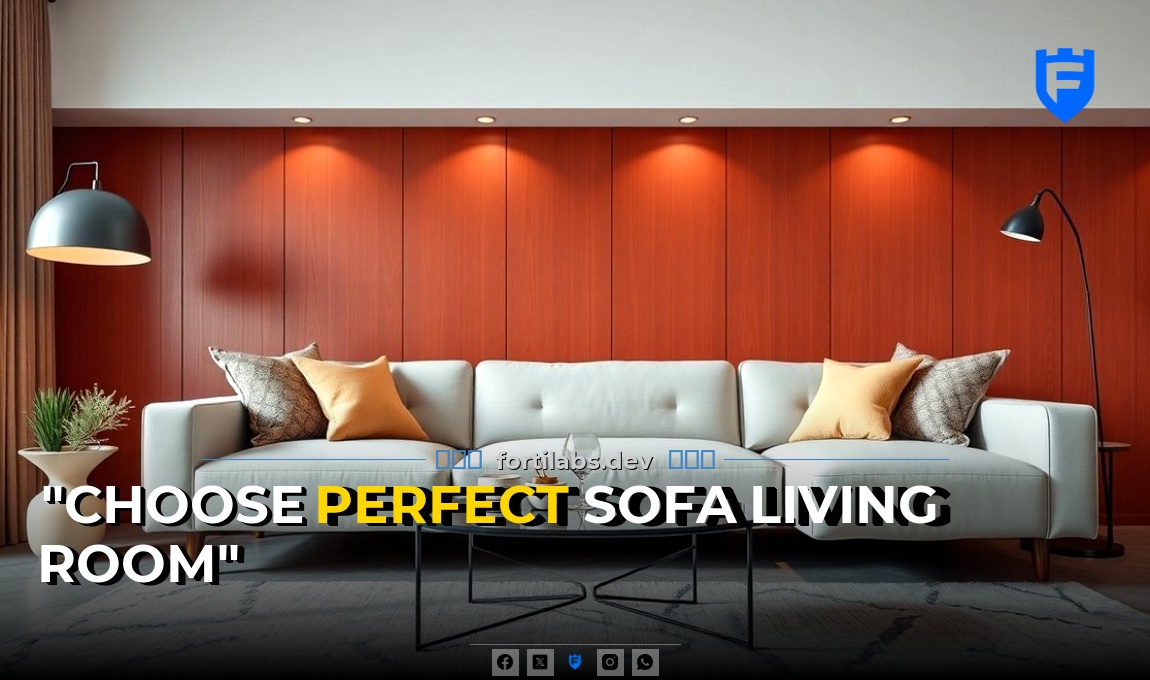
Did you know that the average person spends about three hours a day on their sofa? That’s a staggering 1,095 hours per year! With so much time spent on it, choosing the perfect sofa for your living room is a big decision. I’ve helped hundreds of people find their ideal sofa, and I’m here to share my insights with you.
Understand Your Space and Needs
Before you start shopping, it’s must-have to understand your space and what you need from your sofa.
Measure Your Room
I used to think that I could eyeball the size of my living room, but I was wrong. Measuring your space is vital to ensure your new sofa fits comfortably and leaves enough room for movement. Here’s what to do:
- Measure the length, width, and height of your living room.
- Consider the size of other furniture in the room and how they’ll interact with your new sofa.
- Don’t forget to measure doorways, hallways, and stairwells to ensure your new sofa can be delivered and maneuvered into your home.
Determine Your Needs
Think about how you and your family will use the sofa. Do you need extra seating for guests? Will it be used for napping or lounging? Will kids or pets be using it? Your answers will help you choose the right size, style, and materials.
Choose the Right Size
I always recommend considering the scale of your living room when selecting a sofa size. A large sofa in a small room can feel overwhelming, while a tiny sofa in a spacious room can look lost. Here’s a quick guide:
- Small sofas (72-84 inches wide): Ideal for small spaces, apartments, or as an additional seating option.
- Medium sofas (84-96 inches wide): Perfect for average-sized living rooms, providing ample seating without overwhelming the space.
- Large/oversized sofas (96 inches and up): Great for spacious living rooms or open-concept spaces, offering plenty of seating and a bold statement.
Choose Your Sofa Style
With so many styles available, selecting the right one can be overwhelming. Here are some popular options to consider.
Traditional
Characterized by rolled arms, tufted backs, and classic wood frames, traditional sofas add elegance and timeless appeal to your living room. They work well in both formal and informal settings.
Modern/Contemporary
Modern sofas feature clean lines, minimal ornamentation, and low profiles. Contemporary designs often incorporate fresh materials and unique shapes for a fresh, updated look.
Transitional
Transitional sofas blend traditional and modern elements, creating a balanced and versatile style that works well with various design aesthetics. They’re an excellent choice if you prefer a mix of classic and contemporary.
Mid-Century Modern
Inspired by the design trends of the 1950s and 1960s, mid-century modern sofas feature tapered legs, slim profiles, and organic shapes. They add a retro touch to your living room and work well with both vintage and modern decor.
Sectional
Sectional sofas consist of multiple pieces that can be arranged in various configurations to fit your space. They’re perfect for large living rooms, open-concept spaces, or L-shaped layouts. Plus, they provide ample seating for family and guests.
Select the Right Materials
Choosing the right materials for your sofa is really important for both comfort and durability. Here are some popular options to consider.
Fabric
Fabric sofas come in a wide range of materials, colors, and patterns. They’re generally more affordable and offer a softer, cozier feel. However, they may require more maintenance, especially if you’ve kids or pets.
- Cotton: Breathable and comfortable, but prone to wrinkles and staining.
- Linen: Durable and eco-friendly, but can be rough and wrinkle-prone.
- Polyester: Affordable, durable, and easy to clean, but may pill or fade over time.
- Wool: Natural, durable, and resistant to staining, but can be expensive and prone to wrinkling.
- Velvet: Luxurious and soft, but can be difficult to clean and may show wear over time.
Leather
Leather sofas offer a luxurious, timeless look and are incredibly durable. They’re also easy to clean and maintain. However, they can be more expensive and may not be as comfortable as fabric options.
- Genuine leather: High-quality, durable, and ages beautifully, but can be pricey.
- Bonded leather: More affordable, but less durable and may peel or crack over time.
- Faux leather: Budget-friendly and easy to clean, but may not be as durable or comfortable as genuine leather.
Performance Fabrics
Performance fabrics are designed to resist stains, moisture, and fading, making them an excellent choice for families with kids or pets. They’re also easy to clean and maintain. However, they may not be as soft or comfortable as traditional fabric options.
Test for Comfort and Quality
When shopping for a sofa, it’s must-have to test for comfort and quality to ensure you’re making a wise investment.
Sit on It
Before you buy, make sure to sit on the sofa to test its comfort level. Pay attention to the following:
- Is the seat firm or plush? Choose based on your personal preference and how you plan to use the sofa.
- Are the armrests comfortable and at the right height?
- Is the back support adequate for your needs?
- Can you easily get up from the sofa, or does it feel like you’re sinking in too much?
Inspect the Frame
A sturdy frame is must-have for a long-lasting sofa. Look for frames made from hardwood, such as oak, ash, or maple, as they’re more durable than softwoods or particleboard. Check for the following:
- Are the joints reinforced with dowels, screws, or corner blocks?
- Does the frame feel solid and well-constructed, or does it wobble or creak?
- Is the frame kiln-dried to prevent warping or cracking?
Check the Cushions
The quality and type of cushions can significantly impact your sofa’s comfort and longevity. Consider the following:
- Seat cushions: Look for high-resiliency foam or a combination of foam and down for best support and comfort.
- Back cushions: Ensure they’re firm enough to provide adequate support but soft enough to be comfortable.
- Reversible cushions: Extend the life of your sofa by allowing you to flip and rotate cushions regularly.
Examine the Legs
Sofa legs not only contribute to the overall aesthetic but also play a really important role in stability and durability. Look for legs made from solid wood, metal, or high-quality plastic. Avoid legs that appear flimsy or poorly attached.
Watch: Before I understood the importance of quality construction, I assumed all sofas were created equal. But after seeing the difference between a well-built sofa and a cheaply made one, I realized that investing in quality pays off in the long run.
Don’t Forget About Delivery and Placement
Once you’ve found the perfect sofa, it’s time to think about delivery and placement.
Arrange Delivery
Check if the retailer offers delivery and assembly services, and if there are any additional fees. Make sure to measure doorways, hallways, and stairwells to ensure your new sofa can be delivered and maneuvered into your home.
Plan Your Layout
Before your sofa arrives, plan its placement in your living room. Consider the following:
- Will it be the focal point of the room, or will it be positioned against a wall?
- How will it interact with other furniture, such as coffee tables, TV stands, or accent chairs?
- Will it provide enough seating for your family and guests?
Accessories and Styling
Once your sofa is in place, it’s time to accessorize and style it to create a cozy and inviting living room. Consider adding throw pillows, blankets, and area rugs to enhance the overall aesthetic and comfort of your space.
Choosing the perfect sofa for your living room doesn’t have to be a daunting task. By understanding your space and needs, selecting the right style and materials, testing for comfort and quality, and planning for delivery and placement, you can find a sofa that you’ll love for years to come. Happy sofa shopping!