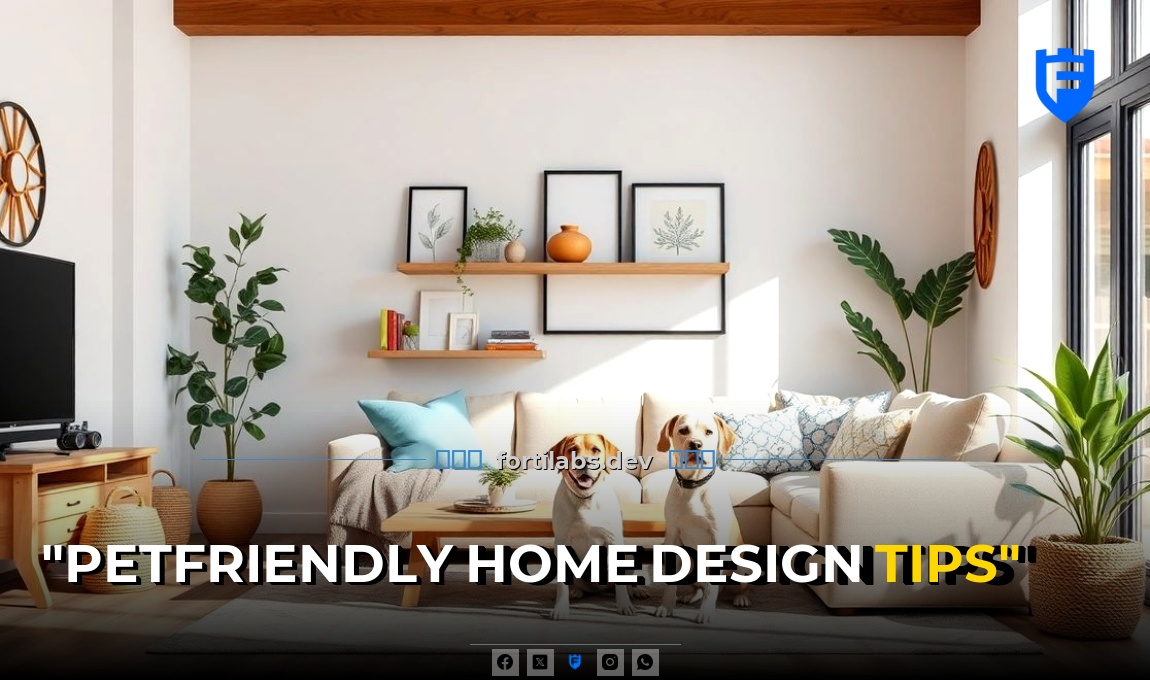
Did you know that around 70% of U.S. households have a pet, yet only a small fraction of homes are designed with our furry friends in mind? I’ve spent years studying pet-friendly design, and I’m here to share some practical tips to help you create a safe and comfortable space for both you and your pets.
Understanding Your Pet’s Needs
Before diving into design, it’s must-have to understand what your pets need. Different animals have different requirements, but here are some general guidelines to consider.
Step 1: Observe Your Pet’s Behavior
Spend time watching your pet. Where do they sleep? What areas do they frequent? What activities do they enjoy? By understanding their habits, you can design a space that caters to their needs.
Step 2: Consider Their Size and Abilities
Think about your pet’s size, mobility, and physical abilities. For instance, smaller pets may need easier access to furniture, while larger pets might need more space to move around. If your pet has mobility issues, you might need to consider ramps or steps.
Creating a Safe and Comfortable Environment
Once you understand your pet’s needs, you can start designing a safe and comfortable space for them. Here’s a step-by-step process I use when creating pet-friendly designs.
Step 1: Pet-Proof Your Home
Just like baby-proofing, pet-proofing involves making your home safe for your pets. This might include:
- Securing loose wires and cords
- Keeping toxic plants and chemicals out of reach
- Installing baby gates to block off unsafe areas
- Using cabinet locks to prevent pets from accessing harmful substances
Step 2: Choose Pet-Friendly Materials
When selecting materials for your home, opt for pet-friendly options. For example, choose durable, scratch-resistant fabrics for your furniture. Hardwood, tile, or vinyl flooring is easier to clean than carpet, which can trap pet hair and odors. If you prefer carpet, consider a low-pile option that’s easier to maintain.
Step 3: Provide a Designated Space for Your Pet
Create a cozy, safe space for your pet to retreat to. This could be a bed in a quiet corner, a cat tree, or a crate. Make sure it’s easily accessible and away from high-traffic areas.
Step 4: Incorporate Pet-Friendly Features
Consider adding features that cater to your pet’s needs. For example, a built-in feeding station can keep food and water bowls off the floor. If you’ve a dog, a mudroom with a shower can make cleanup easier. For cats, consider installing a catio or a window perch.
Designing for Different Types of Pets
Different pets have different needs, so it’s important to tailor your design to your specific pet. Here are some tips for common pets.
Dogs
Dogs need space to move around and play. If you’ve a large dog, consider a home with an open floor plan. Include plenty of comfortable places for them to rest, like dog beds or couches. If you’ve a small dog, make sure they can easily access furniture and other areas of your home.
Cats
Cats love to climb and perch. Incorporate vertical space into your design with cat trees, wall-mounted shelves, or window perches. Provide plenty of hiding spots and cozy places to sleep, like cat beds or blankets.
Birds
Birds need plenty of space to fly and play. If you’ve a bird, consider a home with high ceilings or a sunroom. Provide perches, toys, and a large cage for them to retreat to.
Small Mammals
Small mammals, like rabbits, guinea pigs, and hamsters, need a safe, secure space to live. Provide a large cage or hutch with plenty of bedding and hiding spots. Don’t forget their living area is away from loud noises and drafts.
Reptiles
Reptiles need a controlled environment with the right temperature and humidity. Provide a large terrarium with plenty of hiding spots and climbing structures. Make sure their living area is away from direct sunlight and drafts.
Maintaining a Pet-Friendly Home
Creating a pet-friendly home is an ongoing process. Here are some tips to keep your home safe and comfortable for your pets.
Regular Cleaning
Regularly clean your home to remove pet hair, dander, and odors. Vacuum and mop floors, wash pet beds and blankets, and clean litter boxes regularly. This will help keep your home clean and reduce allergens.
Regular Grooming
Regular grooming can help keep your pet’s fur and nails in good condition, reducing shedding and damage to your home. Brush your pet regularly, trim their nails, and bathe them as needed.
Regular Check-Ups
Regular veterinary check-ups can help catch any health issues early, keeping your pet healthy and happy. Remember to to schedule regular appointments with your vet.
Regular Updates
As your pet ages, their needs may change. Regularly reassess your home to make sure it still meets their needs. This might involve adding ramps or steps for mobility issues, or changing their diet and exercise routine.
By following these tips, you can create a safe, comfortable, and stylish home that both you and your pets will love. Remember, a pet-friendly home is an ongoing process, so don’t be afraid to make changes as needed. Your pets will thank you for it!