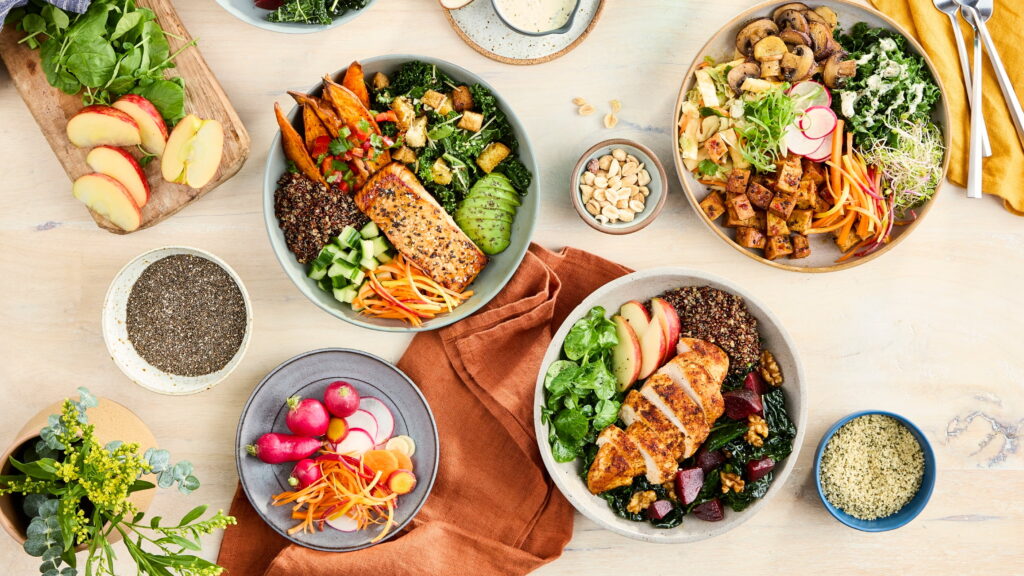
In today’s fast-paced world, maintaining a heart-healthy diet doesn’t have to mean sacrificing flavor. Low-sodium recipes packed with omega-rich foods offer a smart way to reduce salt intake while boosting your body’s essential fatty acids. Omega-3s, in particular, support cardiovascular health, reduce inflammation, and promote brain function—all without the bloat from excess sodium. Whether you’re managing blood pressure or simply aiming for better nutrition, these recipes highlight nutrient-dense ingredients like salmon, walnuts, and chia seeds. Dive in to discover easy, tasty meal ideas that align with a low-sodium lifestyle.
Why Choose Low-Sodium Recipes with Omega-Rich Foods?
Reducing sodium is crucial for heart health, as high salt levels can lead to hypertension and strain on your arteries. The American Heart Association recommends no more than 2,300 mg of sodium per day, ideally aiming for 1,500 mg. Pairing this with omega-rich foods amplifies the benefits: omega-3 fatty acids help lower triglycerides, improve cholesterol ratios, and even ease joint pain.
The Power of Omega-3s in Everyday Eating
Omega-3s are polyunsaturated fats found in plant and marine sources. They combat oxidative stress and support cell membrane integrity. Incorporating them into low-sodium recipes ensures you’re nourishing your body without compromising taste—think fresh herbs and citrus instead of salt shakers.
Balancing Low-Sodium and Nutrient Density
Low-sodium cooking emphasizes whole foods: fresh produce, lean proteins, and healthy fats. This approach not only curbs sodium but also maximizes omega intake, making meals both satisfying and sustainable for long-term wellness.
Top Omega-Rich Foods to Feature in Your Low-Sodium Meals
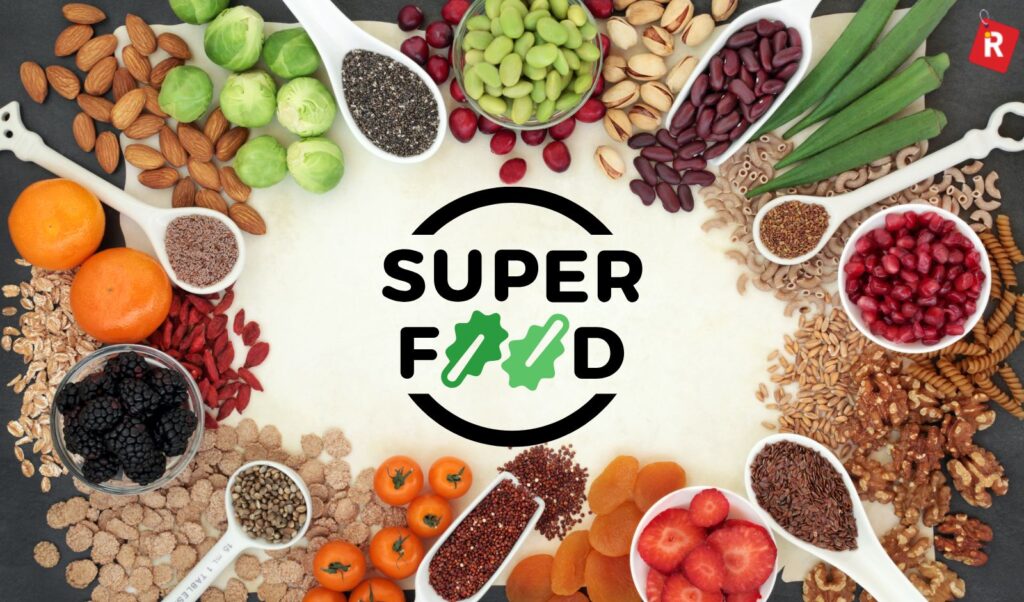
Before jumping into recipes, stock your pantry with these stars. They’re versatile, affordable, and naturally low in sodium.
- Fatty Fish: Salmon, mackerel, and sardines deliver EPA and DHA, the most bioavailable omega-3s.
- Nuts and Seeds: Walnuts, flaxseeds, and chia seeds provide ALA, a plant-based omega-3.
- Avocados and Oils: Creamy avocados and flaxseed oil add richness without added salt.
Pro tip: Opt for wild-caught fish and unsalted nuts to keep sodium minimal.
5 Mouthwatering Low-Sodium Recipes Highlighting Omega-Rich Foods
These recipes serve 2-4 people, take under 45 minutes, and clock in at less than 500 mg sodium per serving. Each one spotlights omega powerhouses for a guilt-free feast.
Grilled Lemon-Herb Salmon with Asparagus
This zesty dish stars salmon’s omega-3 bounty, grilled to perfection for a smoky flavor that needs no salt.
Ingredients:
- 4 (4-oz) salmon fillets (skin-on, wild-caught)
- 1 lb asparagus spears, trimmed
- 2 tbsp fresh lemon juice
- 1 tbsp olive oil
- 2 garlic cloves, minced
- 1 tsp dried dill
- Fresh black pepper to taste
Instructions:
- Preheat grill to medium-high. Whisk lemon juice, oil, garlic, dill, and pepper in a bowl.
- Brush salmon and asparagus with the mixture.
- Grill salmon 4-5 minutes per side until flaky. Grill asparagus 3-4 minutes, turning once.
- Serve hot with a lemon wedge.
Nutritional Perk: 1,200 mg omega-3s per serving, supporting heart rhythm and reducing inflammation.
Chia Seed Berry Parfait
A no-cook breakfast or snack, this pudding layers chia’s plant-based omegas with antioxidant-rich berries.
Ingredients:
- 1/2 cup chia seeds
- 2 cups unsweetened almond milk
- 1 cup mixed berries (strawberries, blueberries)
- 1 tsp vanilla extract
- 2 tbsp unsalted chopped walnuts (for topping)
Instructions:
- Mix chia seeds, almond milk, and vanilla in a jar. Refrigerate overnight.
- Layer with berries and walnuts in glasses the next morning.
- Enjoy chilled for a creamy, fiber-packed treat.
Nutritional Perk: High in ALA omega-3s (about 5g per serving), aiding digestion and stable blood sugar.
Walnut-Crusted Baked Chicken with Quinoa
Lean chicken gets a crunchy, omega-boosted twist from walnuts—perfect for a family dinner.
Ingredients:
- 4 (4-oz) boneless chicken breasts
- 1 cup unsalted walnuts, finely chopped
- 1/2 cup cooked quinoa
- 1 egg, beaten
- 1 tsp paprika
- 1 tbsp fresh rosemary, chopped
- Black pepper to taste
Instructions:
- Preheat oven to 375°F. Line a baking sheet with parchment.
- Dip chicken in egg, then press into walnut mixture seasoned with paprika, rosemary, and pepper.
- Bake 20-25 minutes until golden and internal temp reaches 165°F.
- Serve over warm quinoa.
Nutritional Perk: Walnuts contribute 2.5g omega-3s, promoting brain health and satiety.
Avocado-Flax Toast with Poached Eggs
Elevate simple toast with avocado’s monounsaturated fats and flax’s omegas for a brunch favorite.
Ingredients:
- 4 slices whole-grain bread, toasted
- 2 ripe avocados, mashed
- 2 tbsp ground flaxseeds
- 4 eggs
- 1 tbsp lemon juice
- Fresh cilantro for garnish
- Black pepper to taste
Instructions:
- Poach eggs in simmering water for 3-4 minutes.
- Mix mashed avocado with lemon juice, flaxseeds, and pepper.
- Spread on toast, top with eggs and cilantro.
- Slice and savor the creaminess.
Nutritional Perk: Combines 3g omega-3s from flax with avocado’s potassium for blood pressure control.
Fresh Mackerel Salad with Greens
This light lunch showcases mackerel’s potent omegas in a vibrant, no-salt-needed salad.
Ingredients:
- 2 (4-oz) mackerel fillets, grilled or canned in water (drained)
- 4 cups mixed greens (spinach, arugula)
- 1 cucumber, sliced
- 1/4 cup unsalted sunflower seeds
- 2 tbsp balsamic vinegar
- 1 tsp Dijon mustard
- Fresh basil, chopped
Instructions:
- Flake grilled or drained mackerel.
- Whisk vinegar, mustard, and basil for dressing.
- Toss greens, cucumber, seeds, and mackerel with dressing.
- Serve immediately for crisp freshness.
Nutritional Perk: Mackerel packs 4,500 mg EPA/DHA per serving, ideal for lowering bad cholesterol.
Tips for Mastering Low-Sodium, Omega-Rich Cooking
- Flavor Boosters: Swap salt for garlic, ginger, herbs, or vinegar to enhance taste.
- Meal Prep Hacks: Batch-cook omega-rich proteins like salmon for the week.
- Shopping Smart: Read labels—aim for under 140 mg sodium per serving in packaged items.
- Portion Control: A thumb-sized amount of nuts or seeds adds omegas without excess calories.
Incorporating these habits turns everyday eating into a heart-smart adventure.
FAQs About Low-Sodium Recipes and Omega-Rich Foods
What Are Omega-Rich Foods, and Why Do They Matter?
Omega-rich foods contain essential fatty acids like omega-3s, which your body can’t produce. They support heart, brain, and eye health by reducing inflammation and improving lipid profiles.
How Can I Make Low-Sodium Recipes Taste Great Without Salt?
Use acid (lemon, vinegar), aromatics (onions, garlic), and spices (cumin, turmeric) to build layers of flavor. Fresh herbs like basil and cilantro are game-changers.
Are Plant-Based Omegas as Effective as Fish-Based Ones?
Plant sources like flax and chia provide ALA, which converts to EPA/DHA less efficiently (only 5-10%). For optimal benefits, mix both, but fish offers direct absorption.
Can I Freeze These Omega-Rich Recipes for Later?
Absolutely! Fish dishes freeze well for up to 3 months; thaw overnight in the fridge. Seeds and nuts maintain omega integrity when stored airtight.
What’s the Best Daily Intake for Omega-3s in a Low-Sodium Diet?
Aim for 250-500 mg EPA/DHA from fish or 1.1-1.6g ALA from plants, per NIH guidelines. These recipes help you hit that effortlessly.
Embrace these low-sodium recipes showcasing omega-rich foods to fuel your body with flavor and function. Your heart—and taste buds—will thank you! Share your twists in the comments below.